
Severed from Humanity

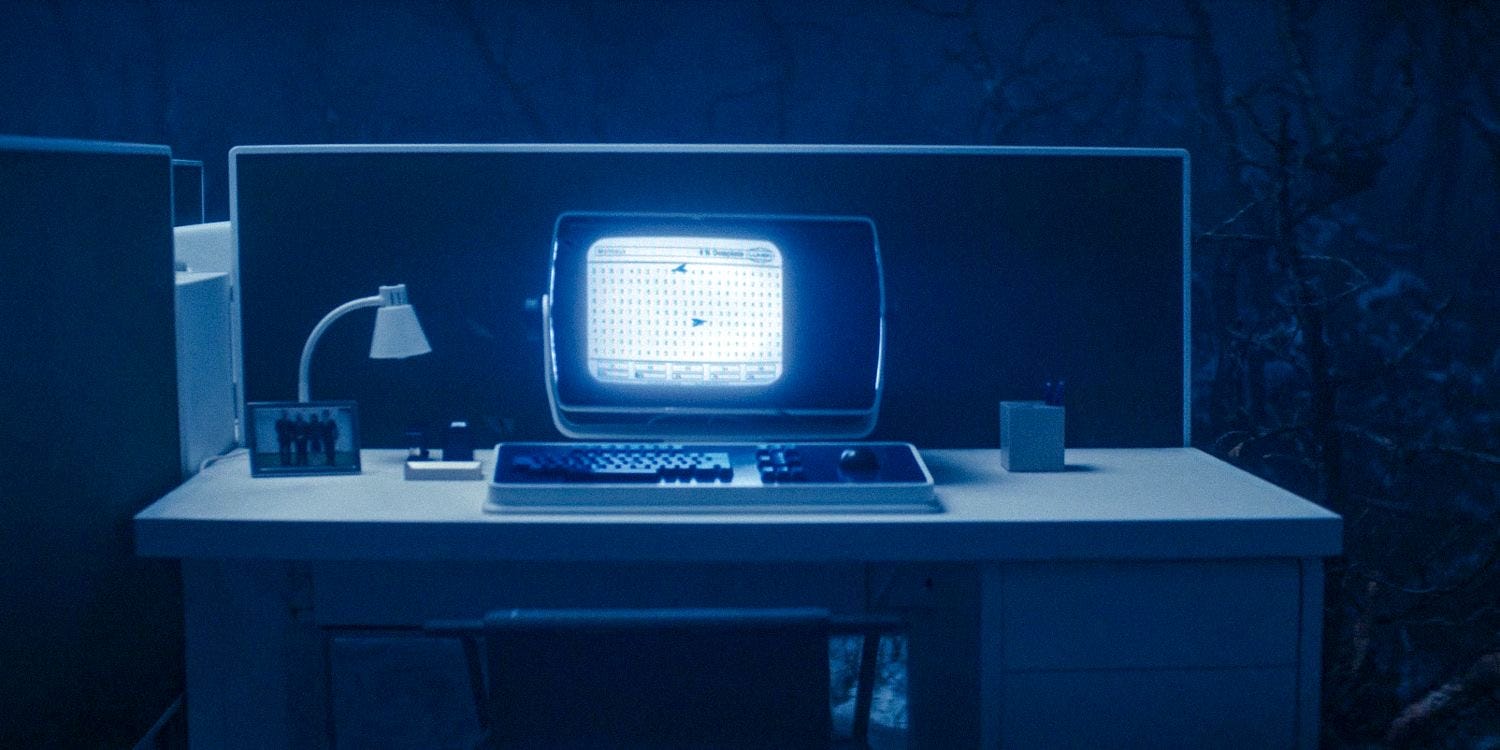
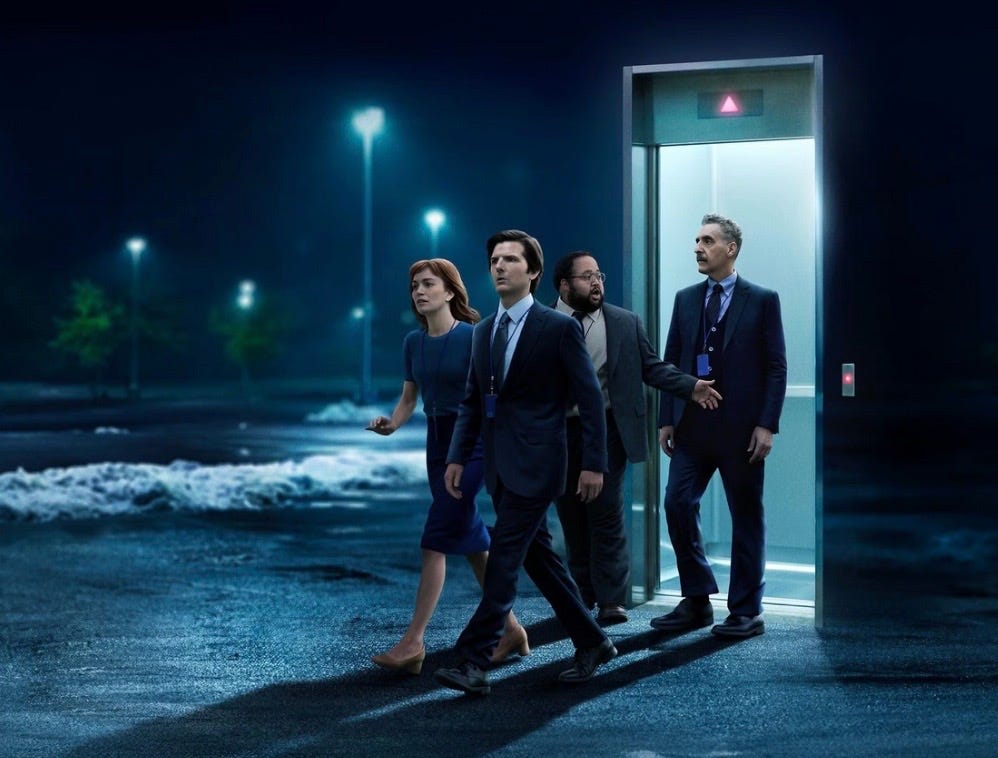
Like many others right now, I have been binge-watching the Apple TV+ series Severance. The show has been a blockbuster success, enrapturing audiences with its bleak sci-fi premise: workers are “severed,” their brains split in two so they essentially live separate lives—one at work and one in the outside world. Their personas change when they descend or ascend the elevator at their work. Quickly, though, those on the severed floor at Lumon—the cultish conglomerate that patented the technology—realize that their existence as severed individuals prevents them from achieving their true potential as humans. They have no connection to anyone above their floor, are unaware of anything unrelated to work, and know no scenery beyond their stark, white, windowless walls. The series follows four protagonists—Mark S., Helly R., Irving B., and Dylan G.—whose “innies,” as their work personas are called, yearn to learn more about their “outies” who live in the outside world. I would posit that the ethos of this show has resonated with so many because it reveals a deep truth about us: we are innies.
From a Christian standpoint, humanity exists in a severed state. The tasting of the fruit, the fall from Paradise, and the separation from God have left us detached from our true humanity. Nevertheless, there has always been something within us that longs to restore this connection. Our art, literature, music, and philosophy all serve as aspirations to know that which is above ourselves.
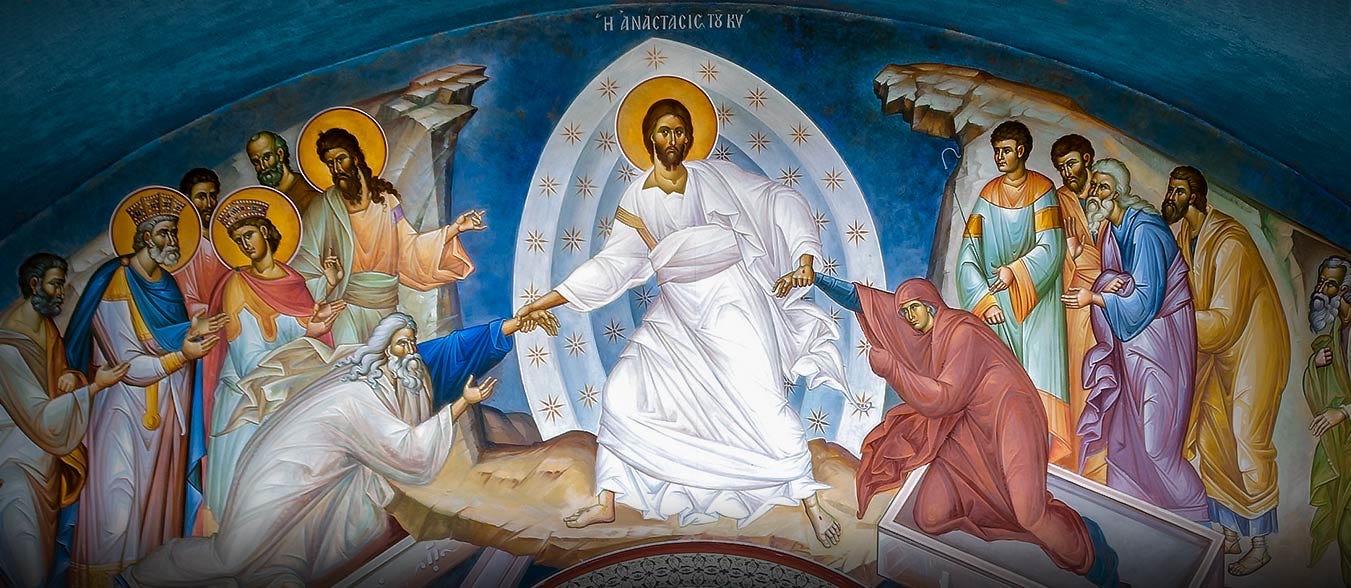
However, we are not meant to remain severed forever. God sent His Son, Jesus, to restore the link between the outside world and the severed level through the Cross and His resurrection: “The kingdom of Heaven is at hand” (Matt. 3:2). Humanity and God have been reconciled. It is up to us, however, to decide whether we take the “elevator” of His grace. Hell, it must be understood, is not God sending one down the dark hallway to be “retired,” as in Severance; rather, it is choosing to remain in the bleak, windowless office forever—rejecting the outstretched hand of the One who wishes to free us from that prison and restore us to our full humanity.
Much of our existence as humans seems random—we experience fleeting sorrows, pain, joys, and happiness. At times, it can feel as though we are merely sorting through meaningless numbers on a screen like Mark S., when in reality, these numbers hold incredible value. We may believe that kindness, generosity, and love have no greater significance, or that malice, lies, and apathy carry no real consequences. Yet, in truth, how we sort and use these things directly determines who we become once the severance ends. The opportunity is before us—it is up to us to decide whether we take the open elevator.